The short answer: most indoor plants do well with 12 to 16 hours of grow light per day, depending on what stage they're in and what you're trying to achieve. Seedlings want 14 to 16 hours. General leafy houseplants are happy with 12 to 14 hours. Flowering and fruiting plants usually need a shorter day, around 12 hours, to actually bloom. But here's the thing most guides skip: hours alone don't tell the whole story. A light that's too far away running for 16 hours can deliver less usable energy than a closer light running for 8. So let's talk about how to actually get this right.
How Long to Keep Grow Lights On Indoor Plants
Marcus Holloway
24 Mar 2026
How many hours per day, by plant stage
There isn't one magic number that works for every plant, but these ranges are solid starting points backed by university extension research and horticultural lighting guidance. Think of them as your baseline before you fine-tune.
Seedlings
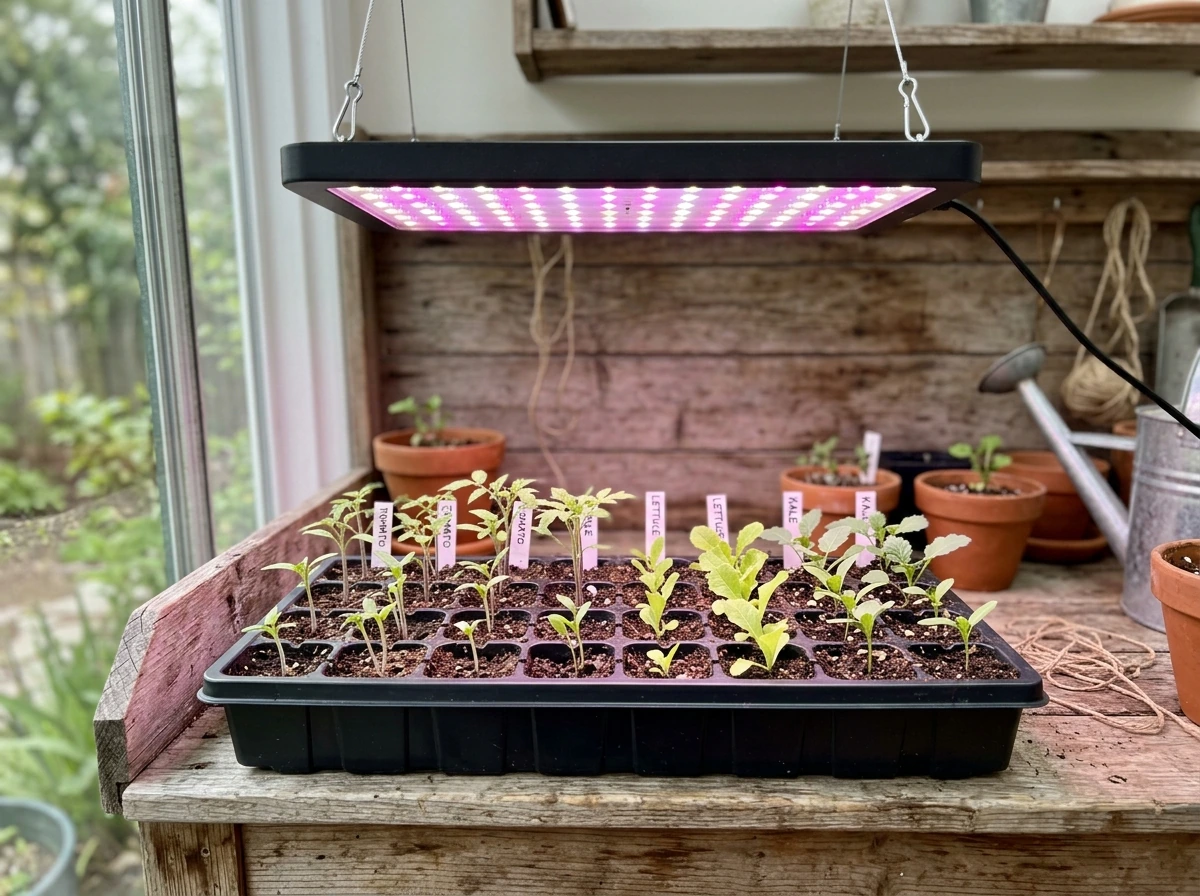
Seedlings need a lot of light, more than most people expect. The University of Maryland Extension recommends 14 to 16 hours of light per day for vegetable seedlings started indoors, with 8 hours of darkness to let them rest. The darkness period isn't optional fluff. Plants do actual metabolic work in the dark, and skipping it leads to weaker growth. Stick with 16 hours on and 8 hours off as your standard seedling schedule.
Vegetative growth (leafy houseplants, herbs, non-flowering stages)
For plants in active vegetative growth, including most common houseplants you're supplementing with light, 14 to 16 hours per day works well. Some horticulture lighting guidance uses 18 hours for aggressive vegetative growth, but for typical home use with houseplants that already get some ambient light, 14 hours is plenty and easier on your electricity bill.
Flowering and fruiting plants
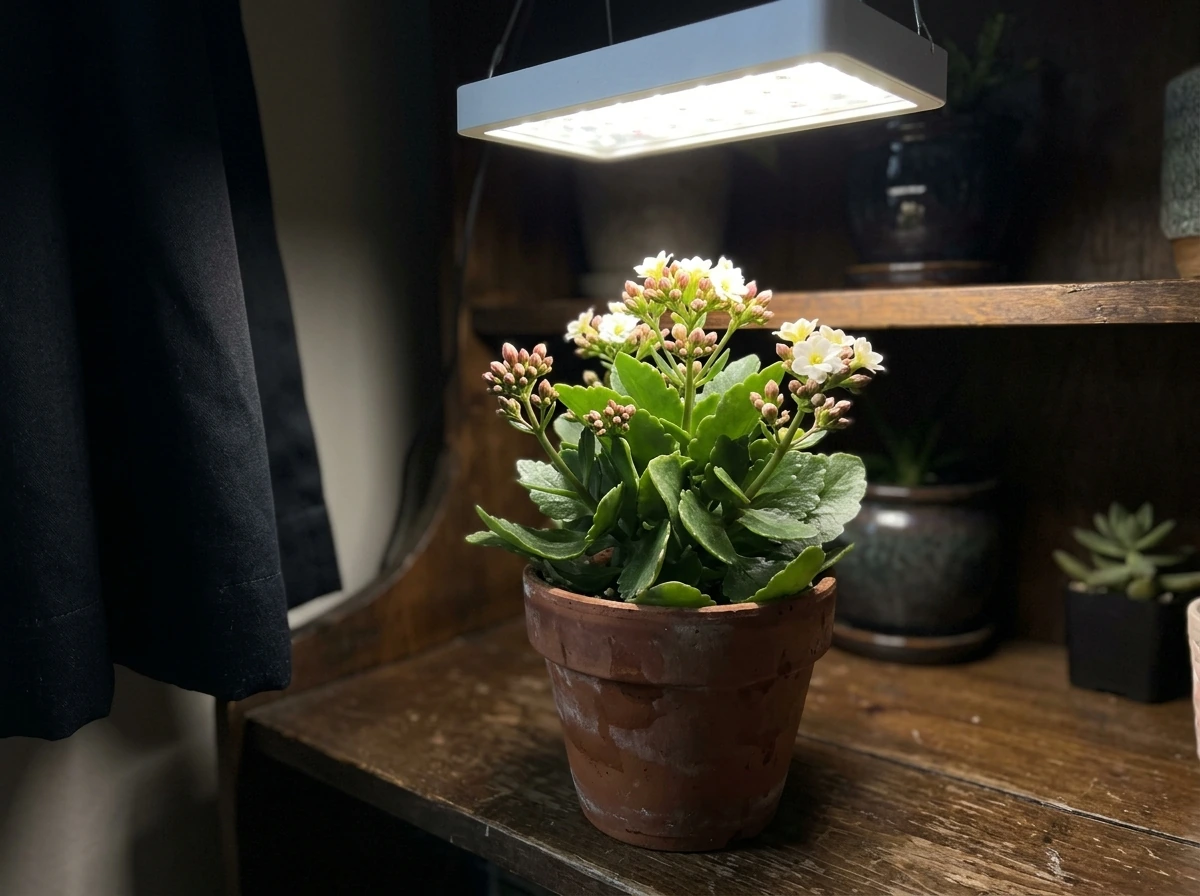
This is where things get interesting. Many flowering plants are what's called "short-day plants" meaning they won't bloom unless they get an uninterrupted dark period long enough to trigger flowering. Keeping them under lights for 16 hours a day can actually prevent them from ever blooming. For fruiting and flowering stages, a 12-hour cycle is the standard starting point. Some specific winter bloomers, like Christmas cactus, African violet, and poinsettia, need as little as 10 hours of light per day until buds form, according to the New York Botanical Garden. If your flowering plant isn't blooming despite looking healthy, your light schedule is often the first thing to check.
| Plant Stage / Type | Recommended Daily Light | Dark Period |
|---|---|---|
| Seedlings | 14 to 16 hours | 8 hours minimum |
| Vegetative / general houseplants | 12 to 16 hours | 8 to 12 hours |
| Flowering and fruiting plants | 12 hours | 12 hours |
| Short-day bloomers (Christmas cactus, poinsettia) | 10 hours | 14 hours |
Why hours alone aren't enough: the real metric is daily light integral
Here's the concept that changes everything once you understand it. Plants don't just count hours of light. They accumulate light energy throughout the day. The technical term is Daily Light Integral, or DLI, which is essentially the total amount of usable light energy a plant receives over 24 hours. It's a combination of how bright the light is (intensity, measured in PPFD) and how long it's on (duration). Think of it like filling a bucket: you can fill it slowly over a long time or quickly with a stronger flow. Either way, the plant needs the bucket filled.
Here's a concrete example from UNH Cooperative Extension that illustrates this perfectly. Using the same LED light bar, a seedling needs about 8 hours per day if the light is mounted 8 inches above the plants. Move that same light up to 20 inches away and you'd need to run it for 16 hours per day to deliver the same total light energy. Same fixture, double the time, just because of distance. And with fluorescent T8 shop lights kept less than a foot away, researchers still needed to run them around 22 hours per day to hit the target DLI for sun-loving seedlings. That's not a schedule you want to set and forget without understanding why.
Setting a real schedule: timers, distance, and intensity
Use a timer, every time
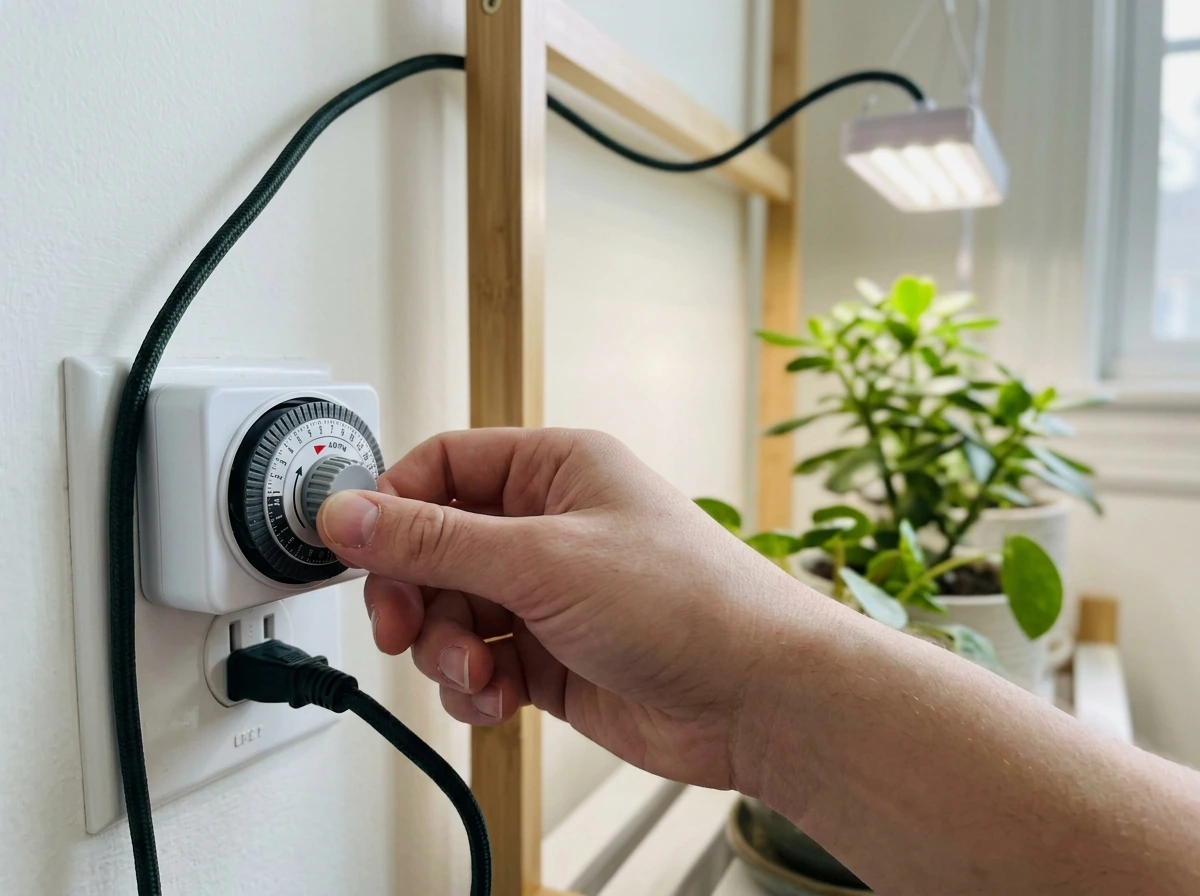
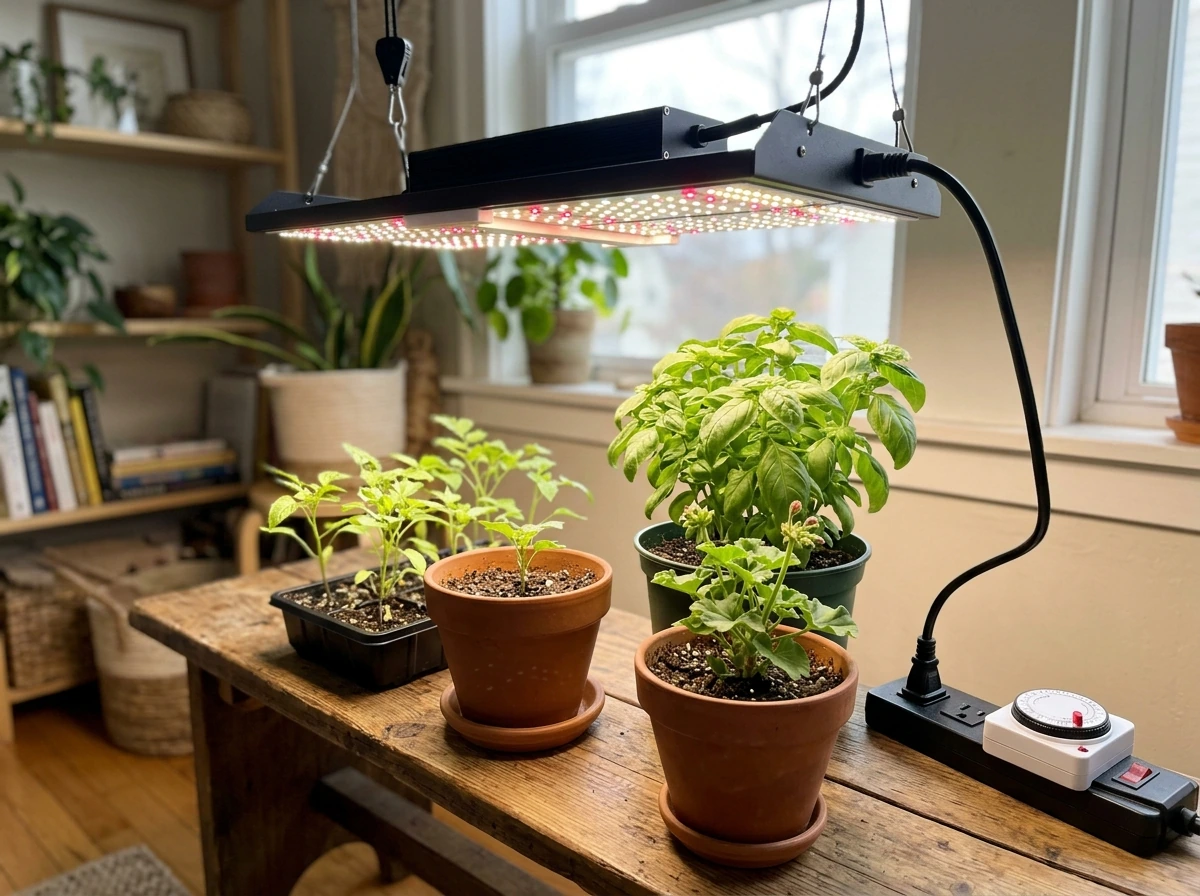
A plug-in outlet timer is genuinely one of the most useful tools in your indoor growing setup. Set it, forget it, and stop trying to remember whether you turned the light on this morning. Set it, forget it, and stop trying to remember whether you turned the light on this morning. Consistent daily schedules matter because plants regulate growth and flowering in part by tracking light and dark cycles. A mechanical or digital outlet timer costs under $15 and pays for itself in the consistency it creates.
Get the distance right first, then set the hours
Missouri Extension recommends keeping plant tips 6 to 12 inches from the light source for most fixtures, and stresses that your setup should be adjustable so you can maintain that distance as plants grow. Start there. Once your light is at the right distance, use the stage-based hour ranges from the table above. If you're running a lower-intensity fixture like a basic LED strip or older fluorescent, lean toward the longer end of the range. If you have a higher-output LED at close range, the shorter end often works fine.
Intensity targets to pair with your schedule
If your fixture lists a PPFD output (measured in micromoles per square meter per second, or µmol/m²/s), seedlings and clones generally do well in the 150 to 200 µmol/m²/s range. Vegetative plants want more. If your fixture doesn't list PPFD, don't stress. Start with the 6 to 12 inch distance and adjust based on how your plants respond, which the next section covers in detail.
What your plants are telling you: signs of too much or too little light
Plants are pretty honest communicators if you know what to look for. Checking in every few days and adjusting based on what you see is more reliable than setting a schedule and never revisiting it.
Signs your plants need more light (or longer hours)
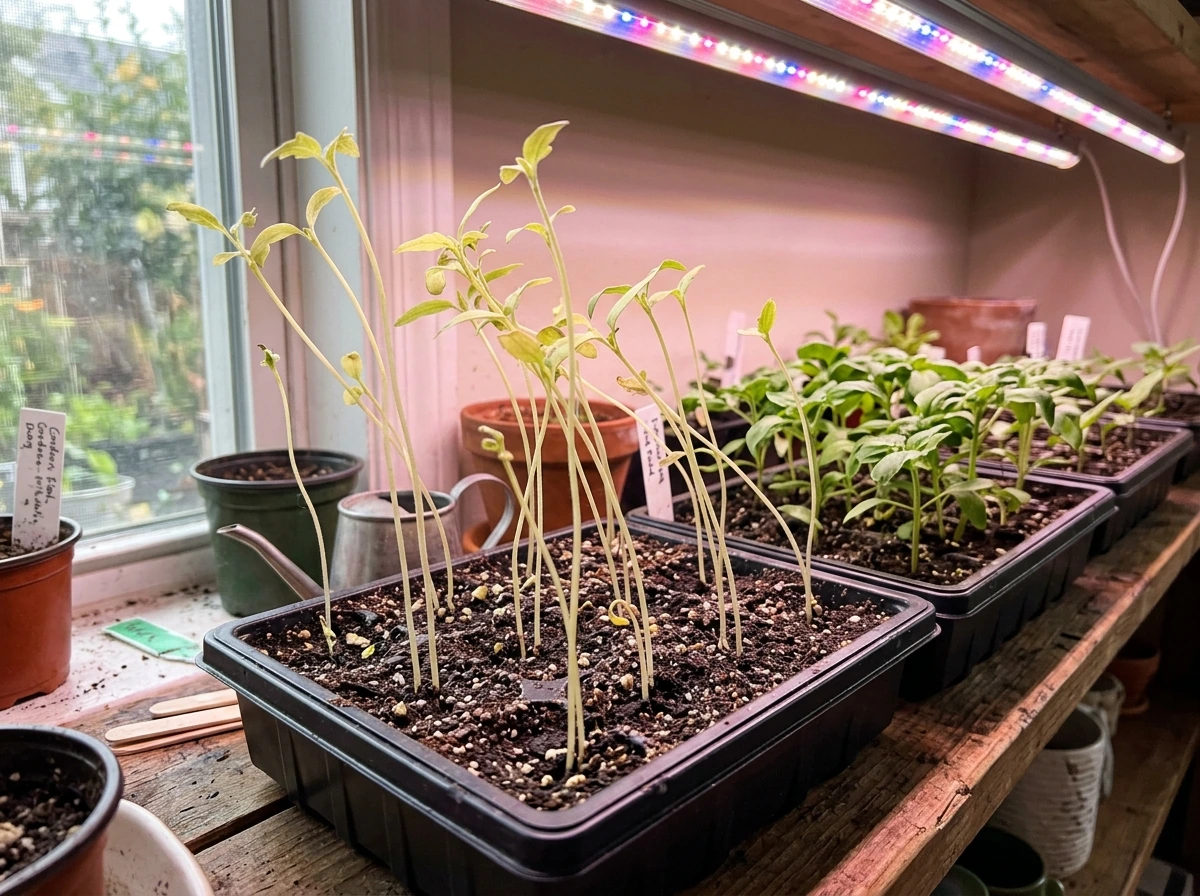
- Leggy, stretched stems reaching toward the light source
- Long gaps between leaf nodes on seedlings or young plants
- Pale, washed-out leaf color (not the same as bleaching)
- Slow growth relative to what you'd expect for the plant type
- Seedlings flopping over because stems are weak and thin
Leggy seedlings are the classic sign. Kentucky Cooperative Extension directly links stretched, weak seedlings to lights being too far away. Before you add more hours (or keep them on longer), try moving the light closer first. If you're already at 6 inches and plants are still stretching, then it's worth adding runtime.
Signs your plants are getting too much light (or the light is too close)
- Pale or bleached patches on the tops of leaves facing the light
- Brown, crispy edges or spots that look like scorching
- Leaves curling or cupping downward
- Soil drying out much faster than usual (a heat indicator)
- Wilting even when the soil has moisture
If you're seeing bleached or crispy spots, the light is probably too close rather than on too long, though both can contribute. Move it up a few inches first and see if new growth looks healthier over the following week. UNH Extension notes that plants under intense lighting conditions may need water more frequently due to heat buildup, so if you suddenly find yourself watering daily, check your light distance and the temperature near the canopy.
Adjusting for winter and partial natural light
Winter is usually why people start looking into grow lights in the first place, and it's also when schedules need the most thought. In winter, shorter days mean plants near windows are getting less natural light, and what they do get is weaker (lower sun angle, more cloud cover). Your artificial lighting has to compensate for that shortfall.
A practical winter starting point: run your grow lights for 12 to 14 hours per day to make up for reduced natural light. If your plants are near a south-facing window that still gets a few hours of decent sunlight, you can subtract that from your supplemental light budget and run the grow light for fewer hours. If your plants are in a room with no meaningful window light, treat it like a fully artificial setup and stick with the stage-based recommendations from earlier.
The DLI concept makes this seasonal adjustment logical: winter reduces the natural photon input your plants get, so your artificial light needs to run longer or sit closer to make up the difference. Conversely, as spring arrives and natural light increases, you can gradually reduce your grow light runtime without shortchanging your plants. Many growers drop 1 to 2 hours per month from late February onward and find it works well. There's a related article on this site specifically about adjusting grow light duration in winter if you want to dig deeper into the seasonal angle.
Safety and smart habits for running grow lights
Heat and electrical basics
Modern LED grow lights run much cooler than older HID or fluorescent setups, but they still generate some heat, especially at close range. Check the temperature near your plant canopy with your hand. It should feel comfortably warm at most, not hot. If it's uncomfortably warm to hold your hand there, raise the light. Don't run grow lights on extension cords that are rated below the wattage of your setup, and keep cords clear of water. A basic smart plug with energy monitoring can tell you what your light is actually drawing and flag anything unexpected.
Are grow lights harmful to people? Clearing up common concerns
This comes up a lot, and it's worth addressing directly. Standard horticultural LED grow lights will not give you a tan and are not linked to cancer. Full-spectrum grow lights include some wavelengths across the visible spectrum, but they don't emit the UV levels that cause sunburn or tanning. You'd need a very different, specialized UV lamp for that kind of exposure. Similarly, there's no credible evidence that typical grow light use causes cancer. The concern likely comes from confusion with UV tanning bulbs or industrial lighting, which are completely different products.
That said, staring directly at any bright light source is a bad idea. High-intensity LEDs are bright enough to cause eye discomfort or temporary flash blindness if you look directly at them. Use grow light glasses (they're inexpensive and widely available) if you're working under your lights regularly, or just avoid looking directly at the light source. Brief, indirect exposure while tending to plants is completely fine.
Should you run grow lights continuously?
No. Even plants that love light need a dark period. Running lights 24 hours a day doesn't accelerate growth proportionally and can actually stress plants. Some may stop flowering entirely if they're never given darkness. The 8-hour dark minimum that the University of Maryland Extension recommends for seedlings applies broadly. Use a timer, set it to your target hours, and let your plants rest overnight.
Where to start and what to do if things aren't working
Your starting plan, today
- Identify your plant stage: seedling, vegetative growth, or flowering/fruiting.
- Set your light distance: 6 to 12 inches from the tops of your plants for most fixtures.
- Pick your starting hours from the table above and program a timer right now.
- Check your plants in 5 to 7 days for the symptom signs covered above.
- Adjust distance before adjusting hours if something looks off.
Troubleshooting timeline
Plants don't respond to light changes overnight, so give adjustments time before assuming something isn't working. Here's a realistic timeline for what to expect after you make a change.
| Timeframe | What to look for |
|---|---|
| Days 1 to 3 | No visible change expected. This is normal. |
| Days 4 to 7 | New growth should start reflecting the change. Look at the newest leaves and growth tips. |
| Week 2 | Stretched stems should be slowing if you moved the light closer. Crispy spots should stop spreading if you moved it farther. |
| Weeks 3 to 4 | Overall plant structure and vigor should clearly reflect your corrected setup. If not, reassess distance and hours together. |
If you've adjusted distance and hours and still see slow growth or stretched stems after two weeks, it's worth asking whether your fixture is actually strong enough for the plant you're growing. Not all grow lights are created equal, and a very low-output fixture at any distance may simply not deliver enough light energy. In that case, running it longer (closer to 16 hours for seedlings or leafy plants) is the lever to pull, rather than moving it even closer and risking heat stress.
The good news is that once you get this dialed in, it mostly takes care of itself. Set your timer, check in weekly, and make small adjustments as your plants grow. Grow lights aren't complicated once you stop thinking in hours alone and start thinking about whether your plants are getting their daily bucket of light filled.
FAQ
Can I run grow lights 24 hours a day to grow faster?
Use the “dark requirement” as the rule of thumb. Most plants still need a nightly dark period for normal physiology, so switch from “24/7” to a timer-based schedule (commonly 12 to 16 hours on with at least 8 hours off for seedlings). If you want to extend light, do it by adding minutes or hours in the on block, not by removing darkness.
How strict does my grow light timing need to be, down to the minute?
Not exactly. A timer that turns on and off at the same times every day matters, but plants also respond to total daily light energy (DLI). If your schedule shifts by an hour occasionally, it’s usually fine. What to avoid is repeatedly changing both duration and when the lights turn off, which can disrupt flowering signals for short-day plants.
What should I adjust first, light distance or hours per day?
Start by checking light distance first, then duration. If you’re at the recommended distance (often 6 to 12 inches, depending on fixture) and plants look weak or stretched, increase runtime in small steps. If they look bleached, move the light up first and then reassess runtime after you see new growth for about a week.
Can I split the light schedule into two shorter sessions per day?
It depends on the plant and your goal, but generally not for flowering triggers. Many flowering short-day plants require an uninterrupted dark block to form buds. That means you should avoid splitting the dark period (lights on during the “night break”), because it can stop or delay blooming even if the total daily hours look correct.
I just moved a plant under grow lights for the first time. Should I start with the same schedule as established plants?
Relocate the timer and use stage-appropriate hours, but don’t let the plant “burn” by combining high intensity and long duration. For clones and seedlings, use the closer-distance guidance and the longer end of the seedling/vegetative range first, then adjust based on stretching or bleaching. If your light setup is new, change one variable at a time so you can identify what caused any changes.
How do I reduce grow light hours as seasons change without harming growth?
Yes, but only if you also manage DLI. In winter you may need 12 to 14 hours (or more for seedlings), while in spring you can reduce runtime gradually. A practical approach is to change by 30 to 60 minutes and re-check plant response weekly, especially if your plants still get some window sun.
My plants seem to need water more often. Does that mean I should keep lights on longer?
Assuming your fixture has stable output, temperature matters because it affects water uptake, not because it replaces light. If the canopy is uncomfortably warm to hold your hand near, raise the light before extending hours. If you see you’re watering more frequently suddenly, that can be a sign the light is too close or heating the area rather than a need for more hours.
I have a flowering plant that won’t bloom. Is my light schedule the first thing to check?
Yes for prevention. If you’re using short-day flowering plants (like poinsettia or similar winter bloomers), maintain the uninterrupted dark period until buds form, then follow the stage-based schedule. For other plants, you can keep to a longer vegetative photoperiod, but still avoid “on all day” experiments.
What if my grow light doesn’t list PPFD, how do I know if it’s strong enough?
Measure and compare, don’t guess. If your fixture lists PPFD, you can target typical starting ranges (seedlings and clones often around 150 to 200 µmol/m²/s). If it doesn’t list PPFD, use the distance guidance and adjust based on visible signals, stretching for too little effective light, bleaching for too much intensity at close range.
How quickly should I expect results after changing hours or distance?
Use a gradual ramp, not a sudden jump. A change can take about two weeks to show up clearly as slower growth or stretching, so increase intensity or hours in steps and observe new growth. If you go from short to long photoperiod overnight, you may misinterpret temporary stress as the wrong schedule.
Are grow lights always safe to keep close to plants?
The key is to avoid overheating. Modern LEDs run cooler than older lamps, but close placement can still raise canopy temperature. Check by touch, the area should feel comfortably warm, not hot, then keep plants far enough to maintain safe operation and stable growth.
Next Articles
How Long to Leave Grow Lights On Succulents Daily
Get daily grow light hours for succulents, how to set timers, adjust for distance and strength, and avoid scorch.
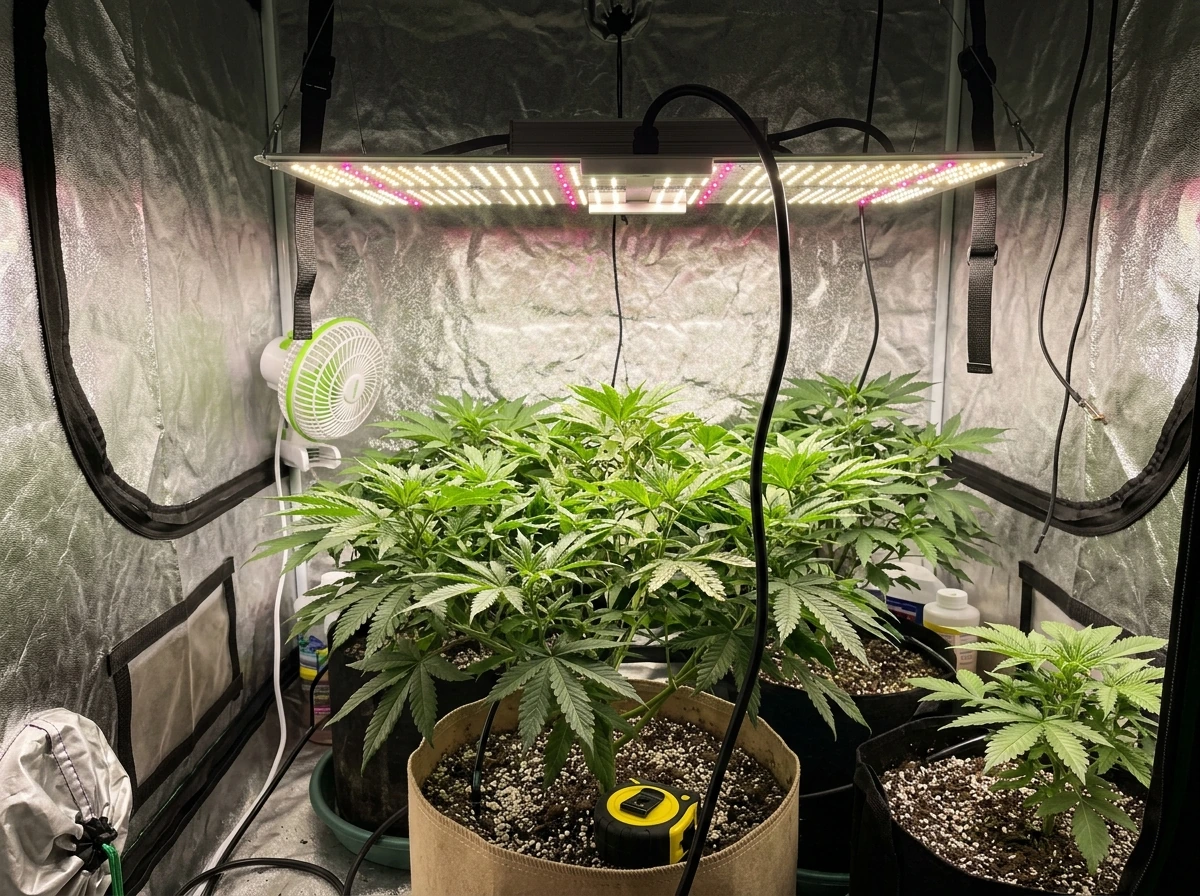
Can LED Grow Lights Burn Plants? Causes, Prevention, Fixes
Learn if LED grow lights can burn plants, spot light stress signs, prevent overheating intensity errors, and fix damage
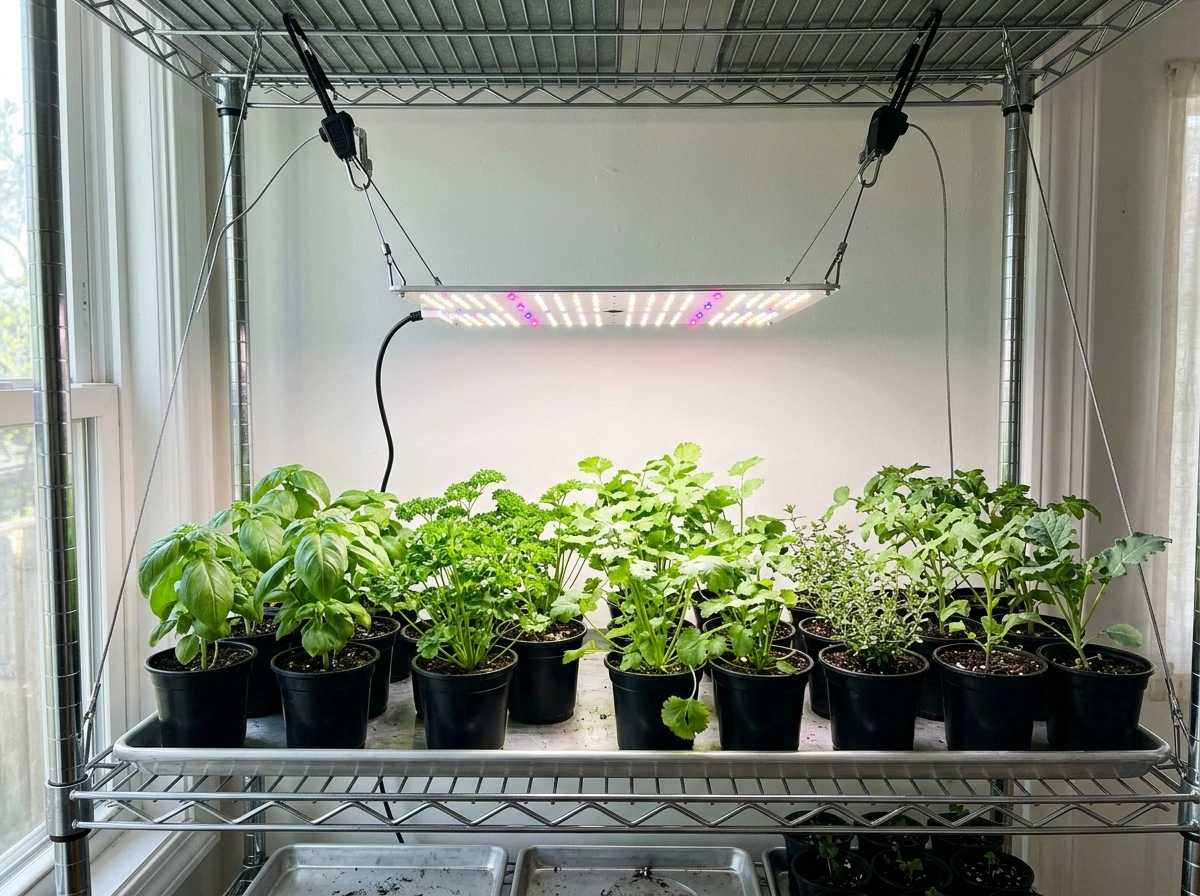
Do LED Lights Grow Plants? How to Set Up for Growth
Yes, LED lights can grow plants if the spectrum and intensity fit; learn setup, distance, timing, and troubleshooting.